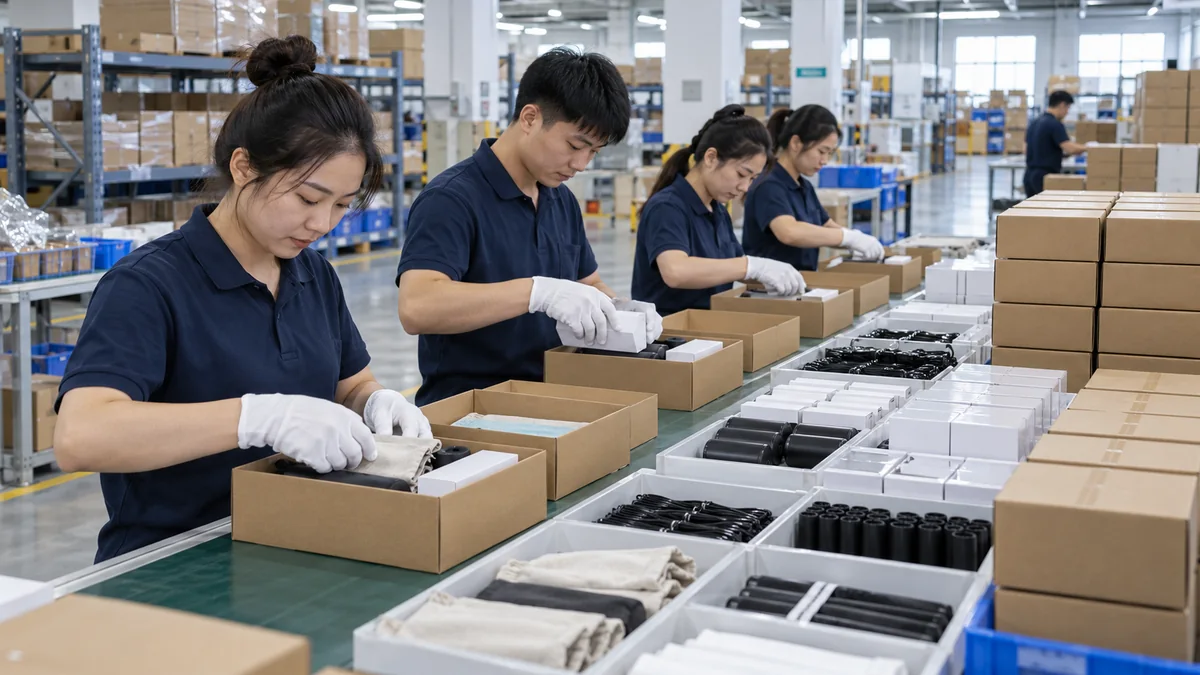
Kits with many parts
Experience with multi-component kits and multi-supplier receiving.

Fulfillment
Warehouse & Handling
Tools


SendFromChina (SFC) receives your components in our China warehouse, builds them into finished kits, bundles and lightly assembled products, checks every unit against your bill of materials, and ships each order straight to your customers or your next warehouse.
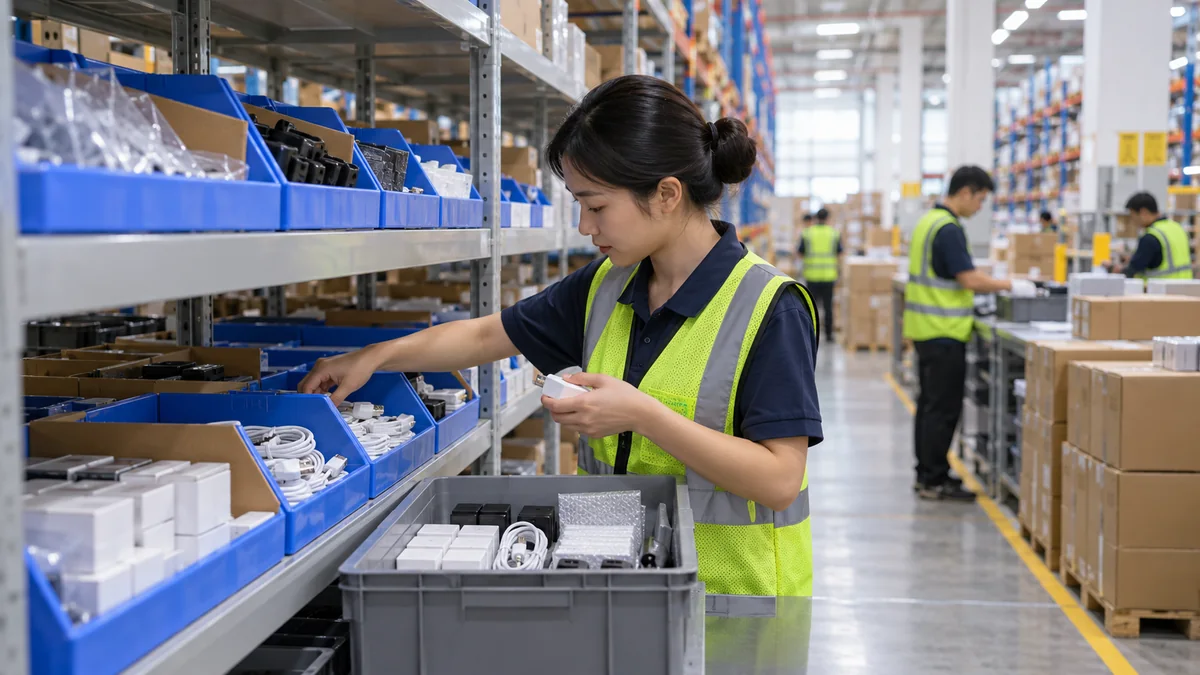
Kitting and assembly is the warehouse work that turns separate items into one sellable unit before an order ships. Kitting groups individual SKUs into a single package with its own SKU, such as a starter set, a multi-pack or a subscription box. Assembly goes one step further and puts parts together, for example fitting a stand to a base, inserting batteries or attaching accessories.
Done in the warehouse, this work removes a lot of handling from each order. Instead of picking five items and packing them one by one, the team picks one finished kit. Pickers make fewer mistakes, packing is quicker, and the customer opens a box that looks the way your brand intended.
If you are new to the topic, our guide to kitting and assembly for eCommerce walks through the basics in more detail.
The two words are often used together, but they describe different jobs. Many projects use both: parts are assembled first, then the finished item is kitted with a manual, a cable and a gift card.
| Kitting | Assembly | |
|---|---|---|
| What happens | Separate items are grouped and packed as one kit | Parts are put together to make or finish a product |
| Product changed? | No, each item stays as it is | Yes, the item is built or completed |
| Typical work | Pick, count, place, insert, seal, label | Fit, attach, insert batteries, light screwing or clipping |
| Common examples | Multi-packs, gift sets, subscription boxes, reward tiers | Product stands, accessory sets, small device bundles |
| What drives the work | Number of items and packaging steps | Number of build steps and the care each step needs |
Each project is built to your specification sheet. These are the six types of work brands most often send to our China warehouse.
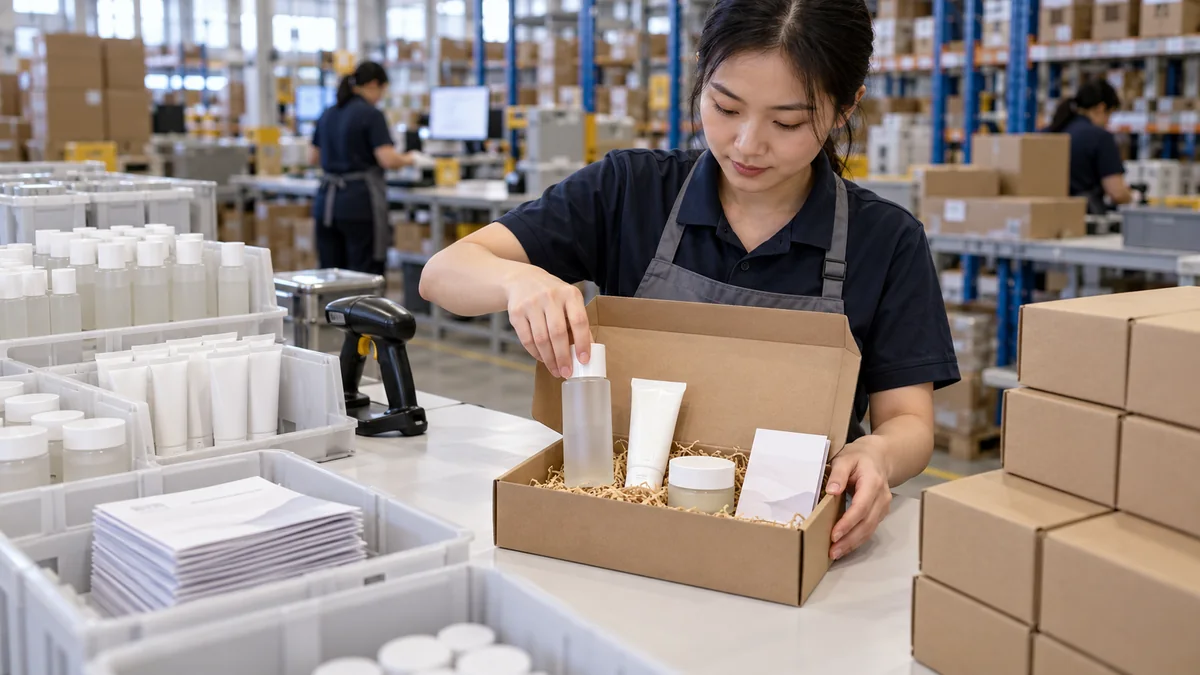
Bundles raise order value and make picking simpler. We combine two or more SKUs, or several units of the same SKU, into one kit with a new barcode. Your store then sells the bundle as one item, and our team picks one unit instead of many.
Bundled kits move straight into our pick and pack flow when orders arrive.
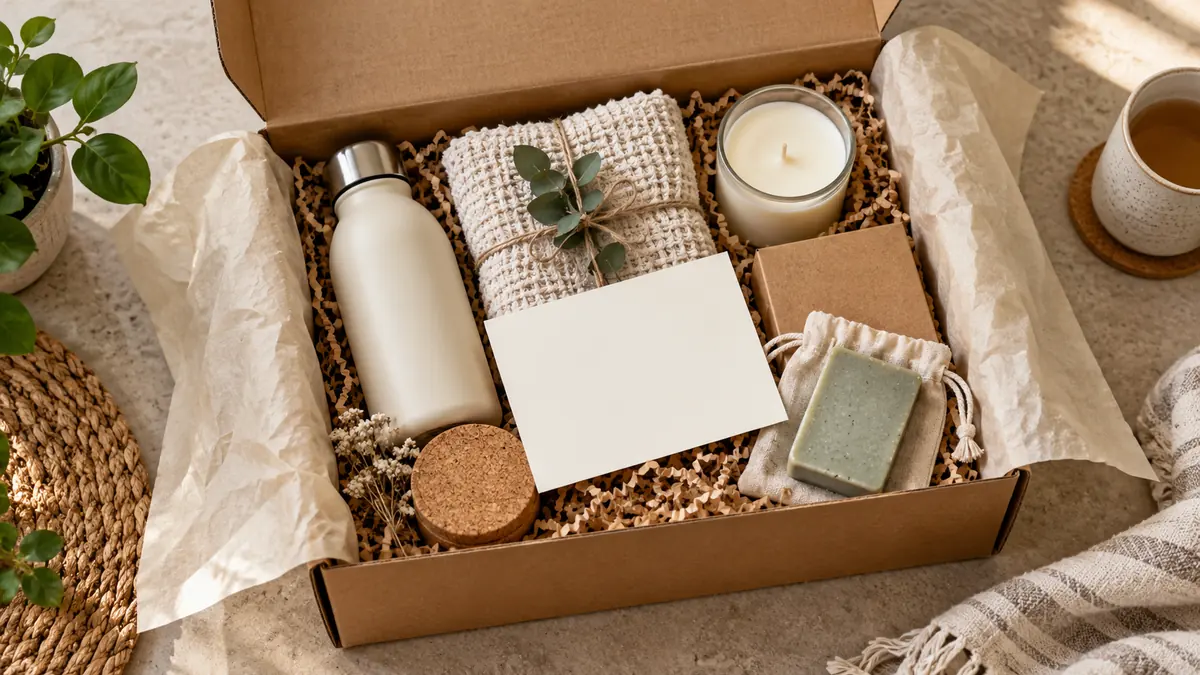
Subscription boxes change from one cycle to the next, and gift sets often peak around holidays. We build each version from its own item list, add tissue, filler and cards in the order you choose, and keep each version apart so the wrong item does not slip into the wrong box.
Planning a box program? Read our subscription box fulfillment guide.

Kickstarter and Indiegogo campaigns usually have several pledge tiers, add-ons and stretch-goal items. We map every tier to its own kit list, build the kits in batches and match each one to the right backer order, so a backer who pledged for the deluxe tier receives the deluxe contents.
See how this fits into our full crowdfunding fulfillment service.
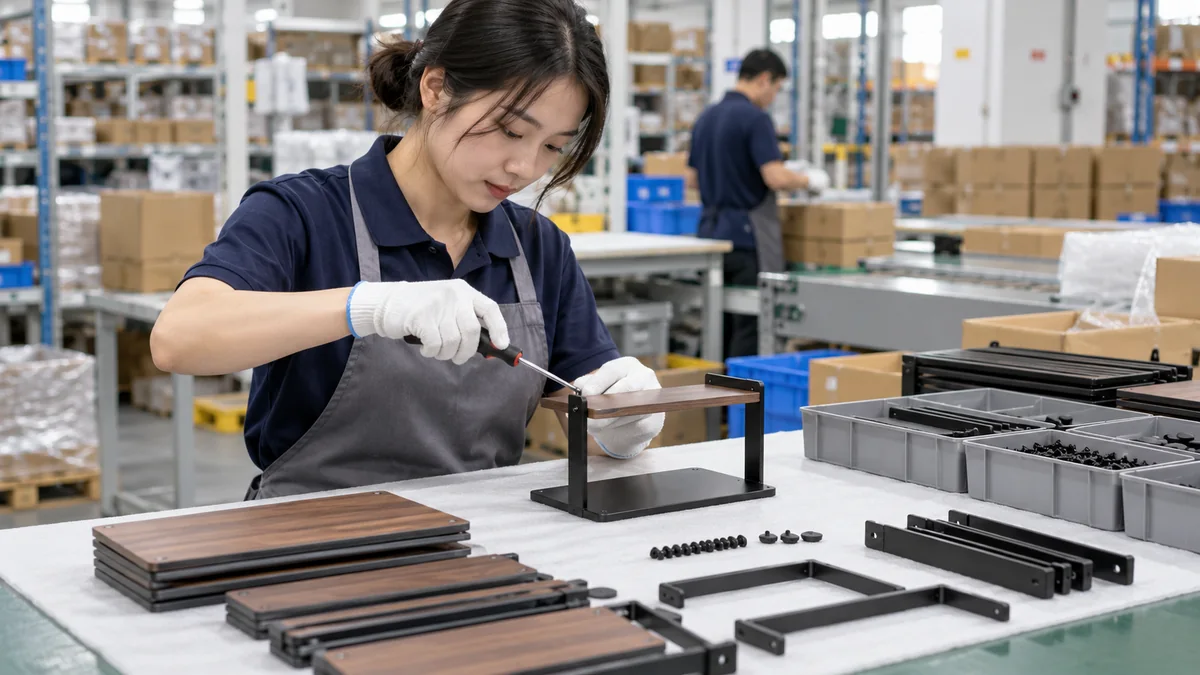
Light assembly covers tasks that do not need special machinery or certified labor. Typical jobs include fitting a stand or handle, inserting batteries, attaching cables and accessories, or putting a product into its retail box with the manual.
Jobs that need certified electrical work, calibration or regulated handling are outside light assembly. We will tell you at the quote stage if a step falls outside what we can do.
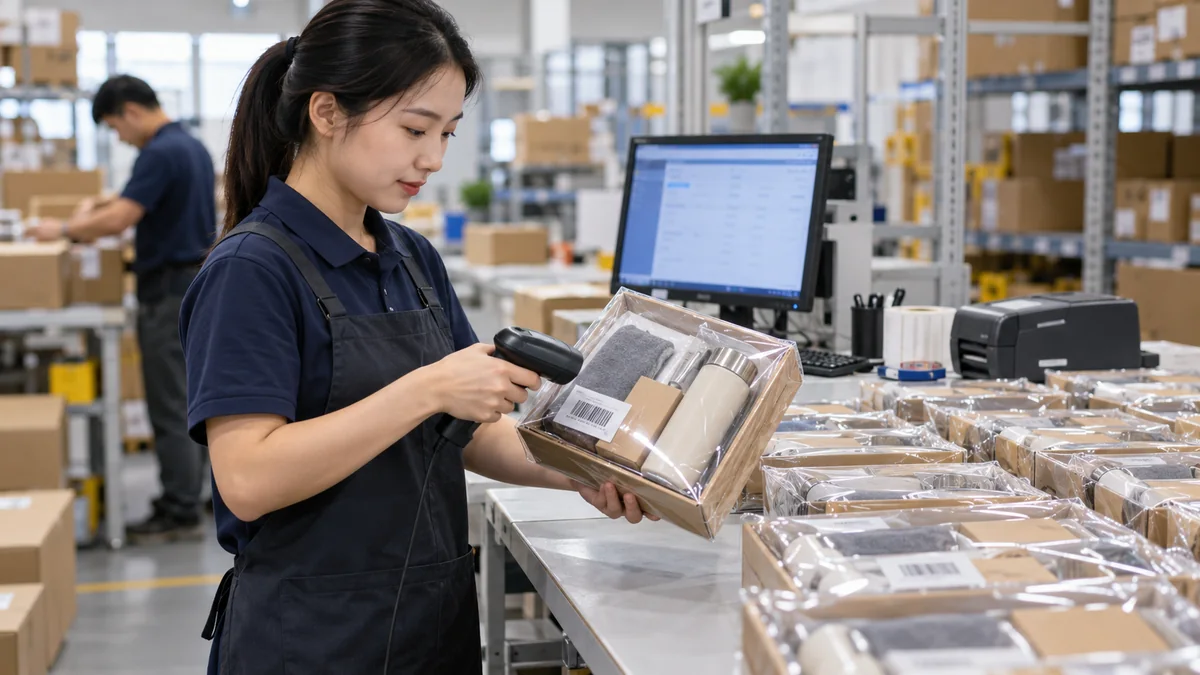
Amazon has its own packaging and labeling rules for sets. A bundle has to be sealed so it cannot be separated, and it needs a clear "sold as set" label plus a scannable barcode. We prepare bundles and multi-packs to the requirements you send us, then pack them into cartons ready for your FBA shipment.
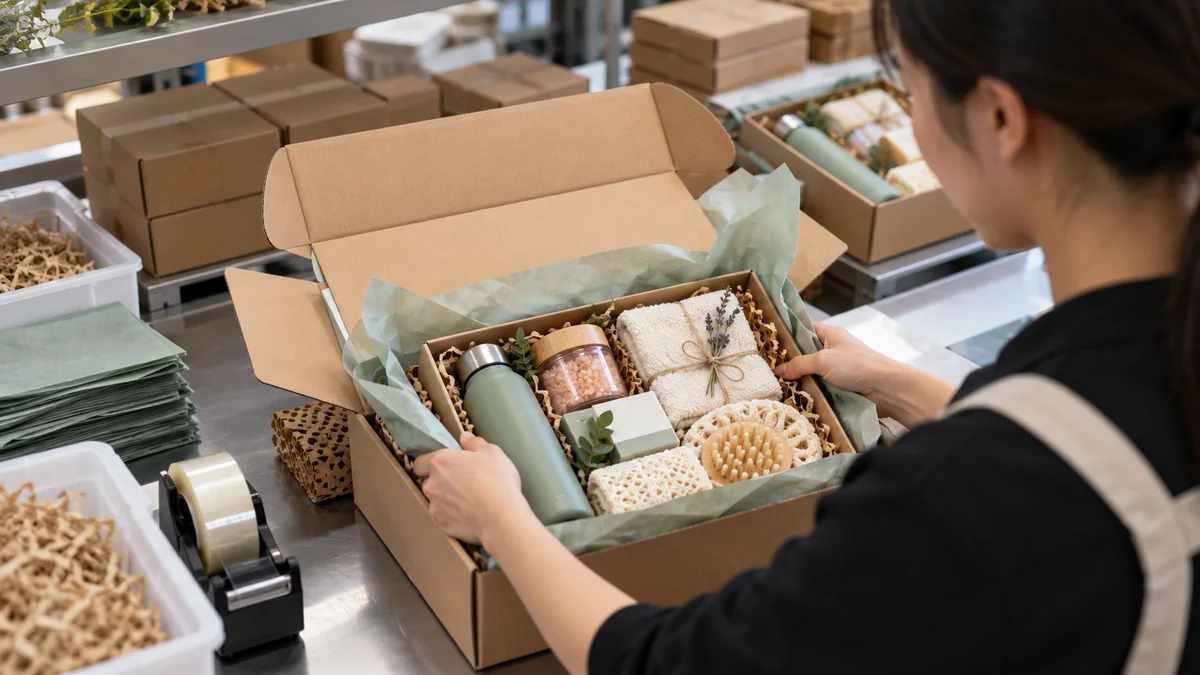
The first moment a customer opens the box shapes how they see your brand. We pack kits into your branded boxes and mailers and add thank-you cards, flyers, samples, stickers or discount codes in the position you specify.
More extras are listed on our value-added services page.
Every project follows the same six steps. The specification you approve at the start is the one our team builds to, so the hundredth kit matches the first.
Share the bill of materials, photos of the finished kit and a sample if you have one. We confirm the steps, packaging and labels in writing.
Components arrive from one or more suppliers. We count each SKU against the purchase order and flag shortages or damage before any build starts.
A first kit is built and photographed for your approval. After sign-off, the team builds the batch in the same order and layout.
Kits are checked against the BOM for count, placement, labels and seal. Any kit that fails is corrected before it moves on.
Finished kits go into stock under their kit SKU, or components wait on the shelf until an order comes in, depending on the model you choose.
Orders flow in from your store or system. We pick the kit, pack it, label it and hand it to the carrier that suits the destination.
Kits are stored in the same facility that runs our China warehousing, so built stock is ready to ship without a transfer between sites.
There are two ways to run a kitting program, and the right one depends on how steady your demand is and how many versions you sell.
Kit-to-stock means we build kits in batches ahead of demand. Orders ship quickly because the kit is already made, and batch work keeps the cost per kit lower. The risk is that unsold kits sit on the shelf if demand changes.
Kit-to-order means components stay separate until an order arrives, then the kit is built for that order. This suits personalised sets, many variations or low, uneven volumes. It keeps inventory flexible but adds a step to each order.
| Kit-to-stock | Kit-to-order | |
|---|---|---|
| When kits are built | In batches, before orders arrive | After each order arrives |
| Order handling | Pick one finished kit | Pick parts, build, then pack |
| Inventory risk | Higher if demand shifts | Lower, parts stay flexible |
| Good fit for | Steady sellers, launches, FBA inbound, reward batches | Personalised sets, many variants, test products |
Many brands mix both: core bundles are pre-kitted, and slow or custom variants are built to order.
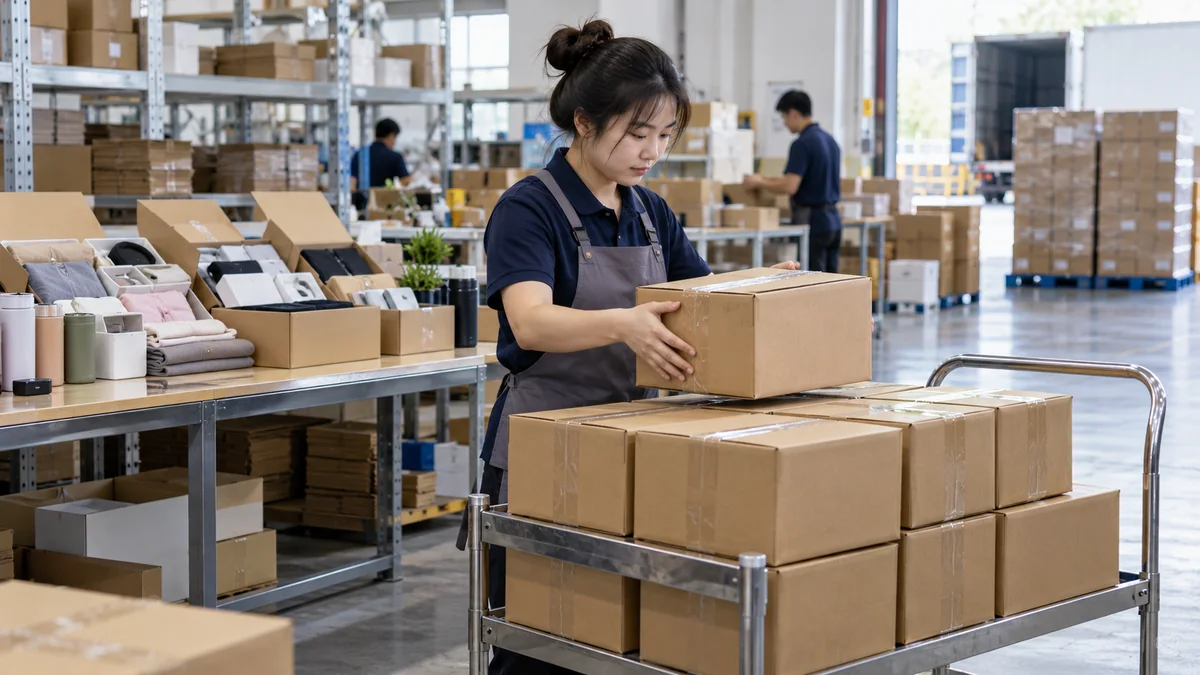
Most kit components are made in China, often by different factories. Building the kit close to those factories removes a full leg of the supply chain.
Building kits in China works well together with our eCommerce fulfillment service, which handles your orders after the kits are built.
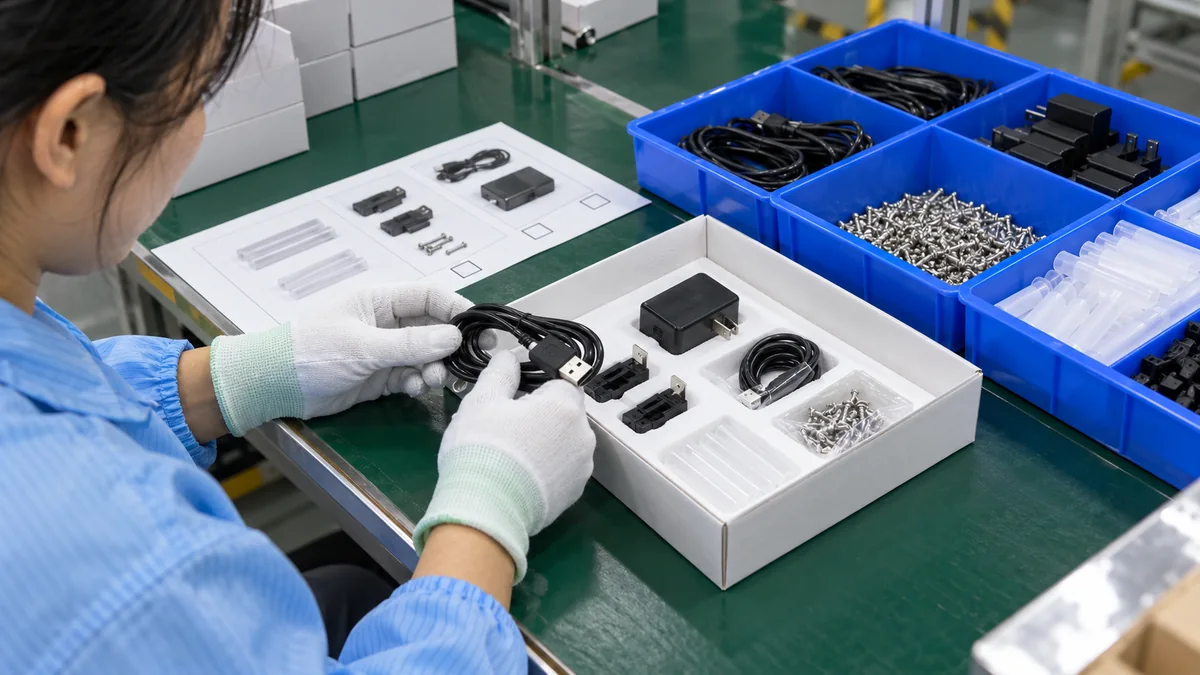
A kit is only right if every item is in it, in the right place, with the right label. Our checks follow the kit from the receiving dock to the shipping desk.
Shipping glass or ceramics? Read our tips on fragile product fulfillment from China.
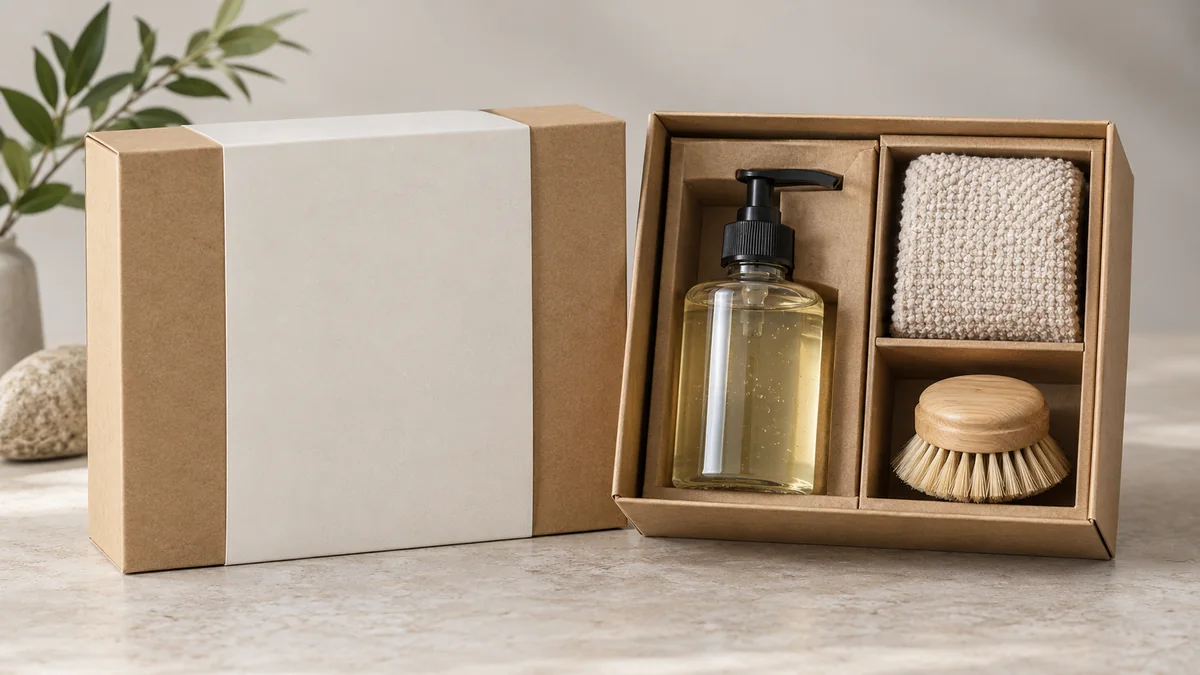
There is no single price per kit, because no two kits involve the same work. Each project is quoted from these factors:
The more we know up front, the closer the first quote will be to the final cost. Please include:
Every component, its SKU, quantity per kit and supplier.
How the opened box should look, plus any work instructions.
Expected kits per month or per batch, and how many versions you sell.
Where kits will ship and whether they go to customers or a warehouse.
Not sure how to write it up? Start with our packaging specification sheet template.
SendFromChina is a China-based 3PL. Kitting, storage and order fulfillment run under one roof, with one team responsible for your kits from receiving to shipping.
Experience with multi-component kits and multi-supplier receiving.
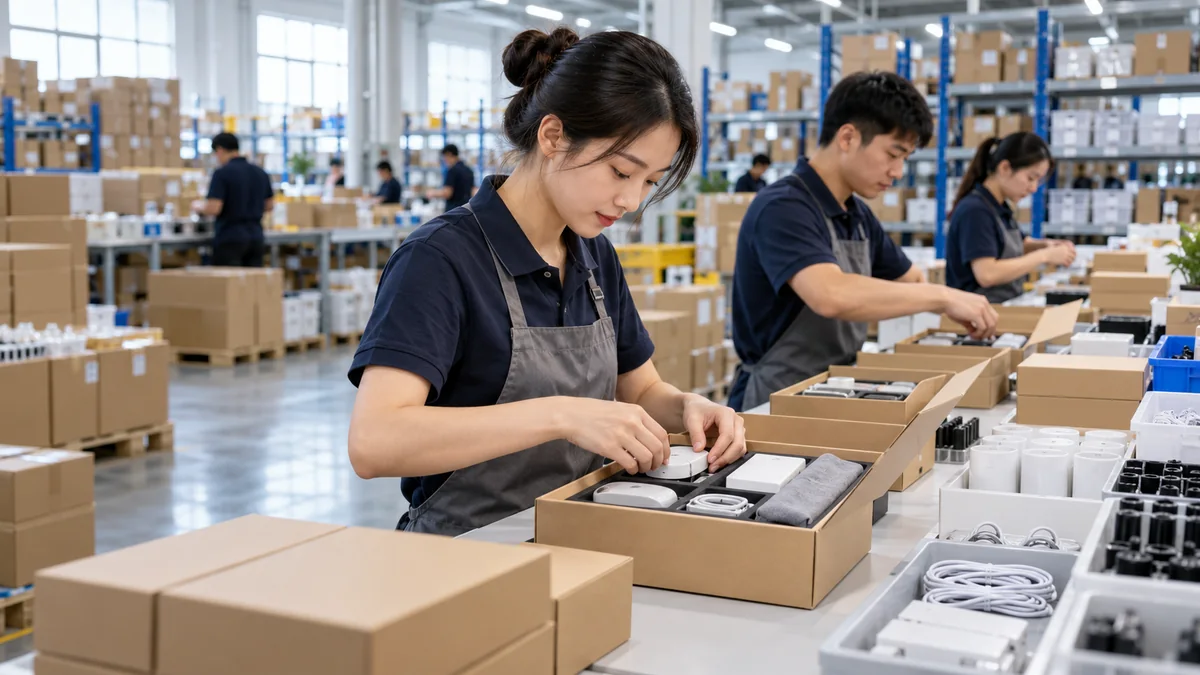
Written specification and a sample kit you approve before each batch.
Count on receipt, checks during the run and a scan at packing.
Branded boxes, inserts and labels placed exactly as specified.
Components and finished kits tracked by SKU, so you can see stock levels.
Orders flow in through our Shopify app or API connection.
Carriers chosen by destination, weight and delivery need.
One contact who knows your kits, from first sample to repeat runs.
Practical reads for brands planning their first kitting project.



Kitting and assembly is the process of turning separate items into one ready-to-ship unit. Kitting groups individual products into a single kit with its own SKU. Assembly puts parts together to make or finish a product. Both happen in the warehouse before an order is packed and shipped.
Kitting does not change the products. It only groups and packs them together. Assembly changes the product by putting parts together, for example fitting a stand or inserting batteries. Many projects use both, with assembly first and kitting after.
Cost depends on the number of items per kit, the build steps, the packaging, the batch size and whether kits are built to stock or to order. Storage and shipping are quoted separately. Because every kit is different, we quote each project after reviewing your bill of materials.
Pre-kitting (kit-to-stock) suits steady sellers, product launches, FBA shipments and reward batches, because orders ship as soon as they arrive. Kit-to-order suits personalised sets, many variants or uneven demand, because parts stay flexible until an order comes in. Many brands use both.
Send your bill of materials with SKUs and quantities per kit, photos or a sample of the finished kit, any work instructions, your expected monthly volume and the countries you ship to. A packaging specification sheet helps us quote faster and more accurately.
Yes. Your suppliers can deliver directly to our China warehouse. We receive and count parts from each supplier, combine them into finished kits, and ship the kits to your customers or your next warehouse.
Parts are counted against your purchase order when they arrive. If a component is short or damaged, we tell you before the build starts, so you can ask the supplier for replacements. You can then choose to wait for the missing parts or build the complete kits you have parts for.
Yes. We bag, shrink wrap and label bundles and multi-packs following the requirements you send us, including "sold as set" labels and FNSKU barcodes, then pack them into cartons for your FBA shipment.
Minimums are quoted per project. They depend on the kit and the work involved. Share your expected volume when you request a quote and we will confirm what applies to your kit.
Lead times are quoted per project. They depend on the number of build steps, the batch size, when all components arrive and our current schedule. We confirm the timeline once we have reviewed your kit and parts.
Want to know about our services, fees or receive a custom quote?
Please fill out the form on the right and we will get back to you within a business day.
The more information you provide, the better our initial response will be.
 Want to know about our services, fees or receive a custom quote?